
Emergency Commercial Power Restoration Services
Table of Contents
Emergency Commercial Power Restoration Services: What Happens When You Call
Business Power Outage Safety Checklist: What to Do in the First 10 Minutes
Commercial Electrical Fault Repair: How Engineers Find and Fix the Problem
Temporary Power for Commercial Buildings: Keeping Operations Running
Emergency Electrical Call-Out Costs: What Affects the Price You Pay
Why In-House Certified Engineers Matter for Power Restoration
Conclusion: Getting Your Business Back Online Fast
Frequently Asked Questions
Last Updated: 12 October 2026
Emergency Commercial Power Restoration Services: What Happens When You Call
When your business loses power, every minute costs money. Emergency commercial power restoration services are rapid-response electrical call-outs that diagnose, isolate and repair faults to get commercial premises safely back on supply. At Bright Sparx Electrical, our NICEIC registered engineers treat these calls as genuine emergencies, not next-week appointments.
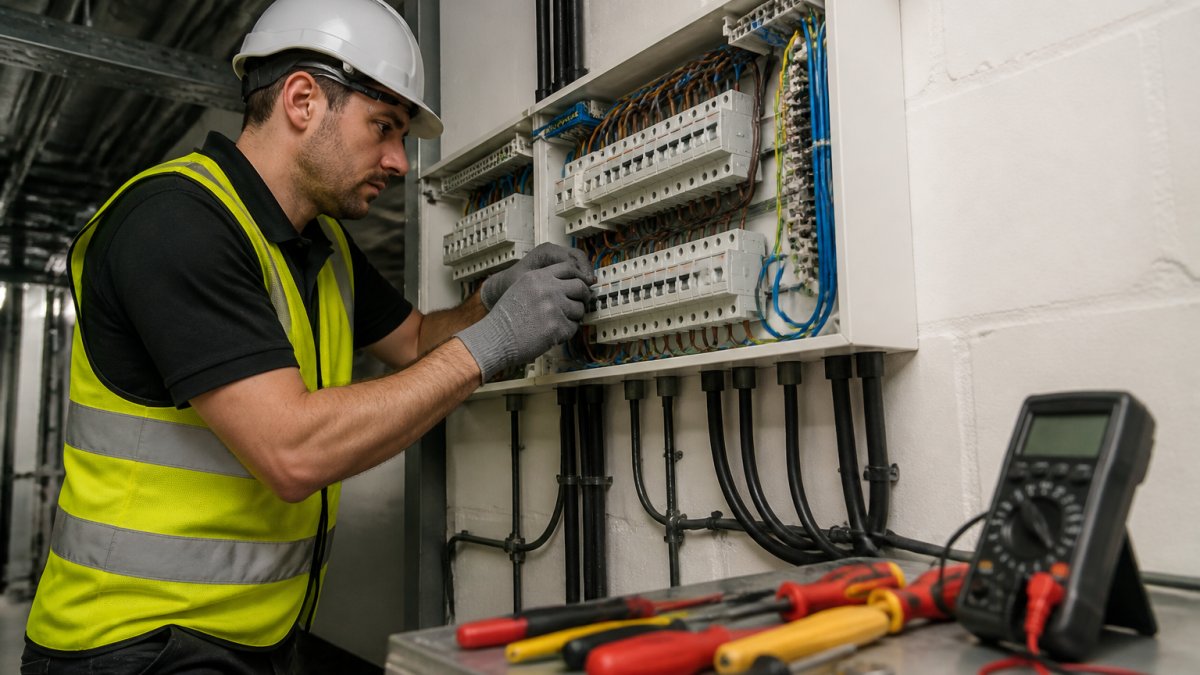
Here's what happens when you call us. We answer, take your details and ask what's still working. A qualified engineer is dispatched with test equipment and common replacement parts. On arrival, we isolate the fault, make the installation safe, and give you a clear plan before any repair work begins.
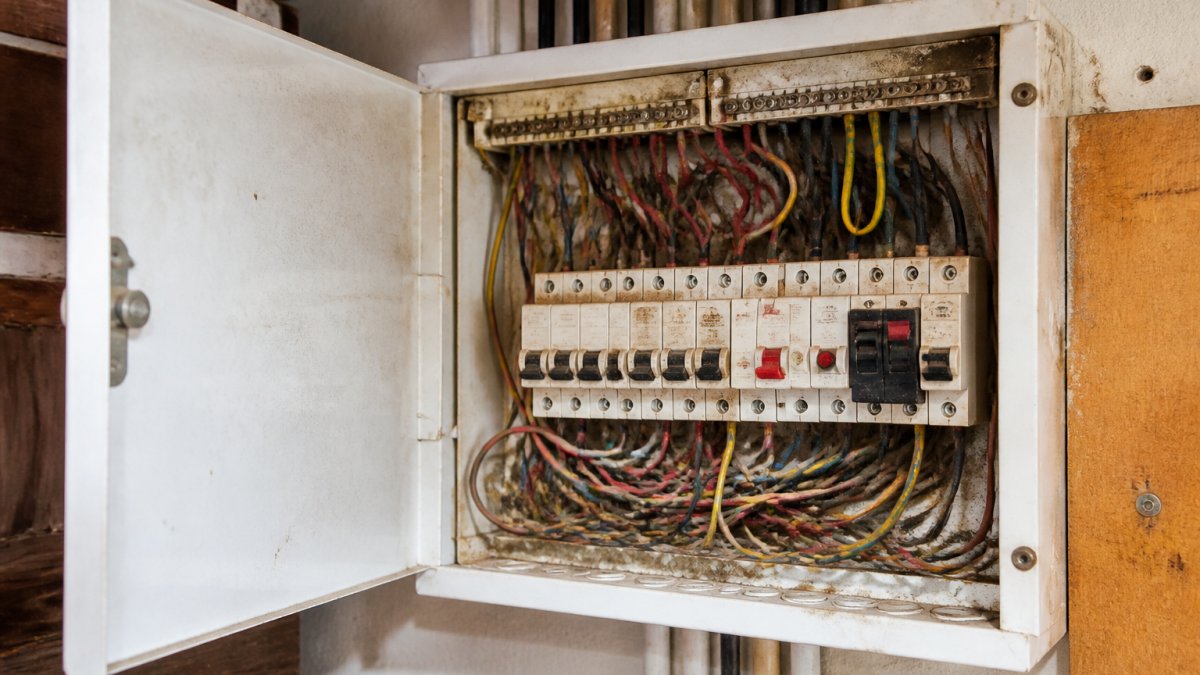
That first phone call matters more than most owners realise. A tripped main switch, a burning smell near a distribution board, or a partial outage across one floor all point to different faults, and describing them accurately speeds everything up.

Key Takeaway Never reset a tripped breaker repeatedly to "see if it holds". If it trips again, stop and call an engineer. Repeated resetting can turn a repairable fault into fire damage.
Business Power Outage Safety Checklist: What to Do in the First 10 Minutes
A business power outage safety checklist buys you time and protects your staff. In the first ten minutes, your job is containment: keep people safe, protect stock and equipment, and gather information the engineer will need.
Work through this in order:
Check whether the outage affects your whole building or one circuit
Confirm nobody is trapped in a lift or unlit area
Switch off sensitive equipment at the wall to avoid surge damage when power returns
Check the fridge and freezer seals, and keep doors closed
Note the time the power failed and anything unusual beforehand
Call your electrical contractor with your postcode and a description of what's dead
The Health and Safety Executive guidance on electrical safety is clear that duty holders must keep electrical systems maintained to prevent danger. A documented shutdown routine is part of that duty.
Watch Out Never send staff to investigate a distribution board in the dark with a phone torch. Live parts, water ingress and damaged insulation cause serious injuries every year.
Commercial Electrical Fault Repair: How Engineers Find and Fix the Problem
Commercial electrical fault repair starts with testing, not guessing. An engineer uses insulation resistance testers, clamp meters and continuity checks to trace the fault to a circuit, then to a component. Most commercial faults fall into a handful of categories.
Fault Type | Typical Symptom | Usual Fix |
Earth leakage | RCD trips repeatedly | Insulation testing, replace damaged cable |
Overload | Breaker trips under load | Rebalance circuits, upgrade protective device |
Loose connection | Flickering lights, heat at board | Re-terminate and torque connections |
Water ingress | Trips after rain | Seal entry points, replace affected accessories |
Failed component | Single circuit dead | Replace faulty device or fitting |
Diagnosis is where cheap work gets expensive. An engineer who replaces a breaker without testing the circuit behind it will be back next month, and you'll pay twice.
Temporary Power for Commercial Buildings: Keeping Operations Running
Temporary power for commercial buildings keeps tills, servers and lighting running while permanent repairs are completed. For longer faults, we can arrange distribution boards, generator connections and temporary supplies so trading continues.
The decision usually comes down to downtime cost versus hire cost. A retail unit losing a day's takings is a different calculation from a warehouse that can pause despatch for a few hours.
Short outages: portable power for tills and card terminals
Server rooms: UPS backup while the main fault is traced
Multi-day repairs: generator connection with changeover arrangements
Site works: temporary distribution for tools and lighting
Every temporary arrangement must still meet BS 7671 wiring regulations. Temporary does not mean unregulated.
Emergency Electrical Call-Out Costs: What Affects the Price You Pay
Emergency electrical call-out costs depend on when you call, what's wrong, and how quickly you need an engineer on site. Out-of-hours attendance, fault complexity, parts required and access all move the number. We don't publish a flat rate because quoting one honestly is impossible before we've seen the fault.
What we will do is explain the pricing before work starts, so you're never surprised by the invoice. If you've been stung by a vague hourly rate before, ask three questions up front: is there a call-out charge, how is labour billed, and are parts quoted separately.
Why In-House Certified Engineers Matter for Power Restoration
In-house certified engineers matter because accountability doesn't survive subcontracting. When a firm sends whoever is available, you get whoever is available. Our team is directly employed, NICEIC registered and 18th edition compliant, and every job is certified and insured.
That matters when something goes wrong later. A certificate proves what was tested, what was replaced and who signed it off. It also matters for your insurers and for any future EICR.
We offer a free full inspection with our work.
Conclusion: Getting Your Business Back Online Fast
The businesses that recover quickest from a power failure are the ones with a plan and a contractor who answers the phone. Waiting on a call-back while your fridges warm up is a choice you don't have to make.
Bright Sparx Electrical provides emergency power restoration, fully tested and certified work, and fair, transparent pricing, all delivered by our own in-house team. Get started with Bright Sparx Electrical and get your premises safely back on supply.
Frequently Asked Questions
What should a business do during a power outage?
Check whether neighbouring units still have power to confirm whether the fault is inside your building or on the wider network. If it is only your property, switch off and unplug sensitive equipment at the socket to protect it from surges when supply returns, keep fridge and freezer doors closed, and make sure staff and customers can leave safely using torches rather than candles. Then call an emergency commercial power restoration services provider to diagnose the fault.
How much does an emergency commercial electrician cost?
Emergency electrical call-out costs depend on when you call, how far the engineer travels, how complex the fault is, and whether parts are needed. Out-of-hours and weekend work usually carries a higher rate than standard hours. Bright Sparx Electrical provides transparent quotes before work begins, so you know what you are paying for. Contact us for current pricing rather than relying on figures quoted by other providers.
Can a business use temporary power while repairs are carried out?
Yes. Temporary power for commercial buildings can keep lighting, tills, servers, and essential equipment running while permanent repairs are completed. This usually means a generator or temporary distribution board connected by a qualified engineer, sized to your actual load. It is a practical option when a full repair will take more than a few hours and you cannot afford to close.
How quickly can commercial power restoration be completed?
Many faults, such as a tripped main breaker or a failed component in the distribution board, can be diagnosed and repaired within a few hours of an engineer arriving. More serious issues, including cable damage or water ingress, may take longer and could require temporary power in the meantime. A qualified engineer will give you a realistic timescale once the fault has been assessed on site.
CONTACT US
Comments