
How Long Does an EICR Take? Timescales Explained
Table of Contents
How Long Does an EICR Take? A Stage-by-Stage Breakdown
EICR Duration for a House: What to Expect
EICR Duration for a Commercial Property
What Affects EICR Inspection Time
How to Prepare for an EICR
From Inspection to Report: How Long Until You Get Results?
Conclusion
Frequently Asked Questions
Last Updated: 19 October 2026
How Long Does an EICR Take? A Stage-by-Stage Breakdown
An EICR takes between two and four hours for a typical three-bedroom house, though larger or older properties can run to a full day. The Electrical Installation Condition Report is a documented safety check of your wiring, and the time it takes depends on size, age and access. At Bright Sparx Electrical, we tell landlords and homeowners the honest answer up front: nobody can promise a fixed time before seeing the property.
Here is how the visit usually breaks down:
Arrival and introductions: 10-15 minutes
Visual inspection of the installation: 30-45 minutes
Dead testing (circuits powered down): 45-90 minutes
Live testing and sampling: 30-60 minutes
Paperwork and handover: 20-30 minutes
The 18th edition of the Wiring Regulations, published by the Institution of Engineering and Technology, sets the framework inspectors work to. That framework shapes how much testing is needed, and therefore how long the job runs.

Pro Tip Ask your electrician whether the quote covers the report itself or just the inspection. Some providers split these, and the written report is the part that satisfies your legal duty.
EICR Duration for a House: What to Expect
A standard three-bedroom home usually takes two to four hours. A one-bedroom flat can be done in under two. A large Victorian property with a maze of old circuits might need five or six hours, sometimes split across two visits.
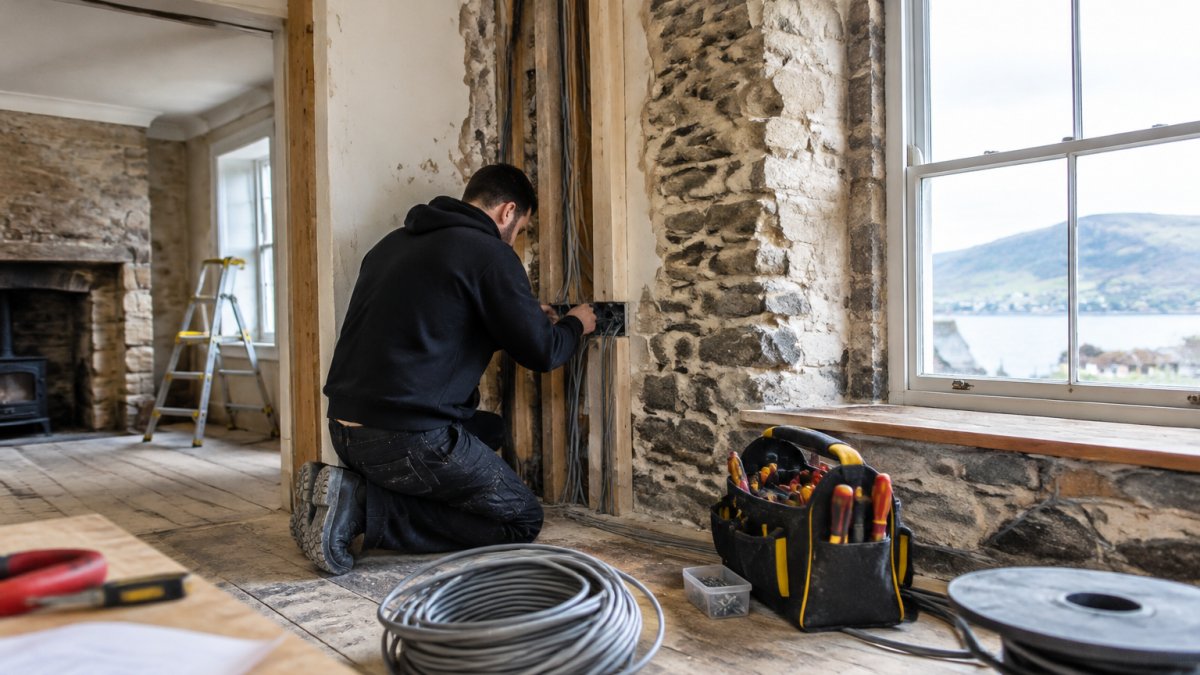
Age matters more than floor space. Homes wired decades ago, or extended without proper records, take longer because the inspector has to trace circuits before testing them. A common mistake is assuming a quick visual check is enough. It is not. Dead testing requires isolating circuits, which takes time.
For landlords, the legal position is clear: rented homes in the private sector need a report every five years, and the government guidance on electrical safety standards sets out what that covers.
EICR Duration for a Commercial Property
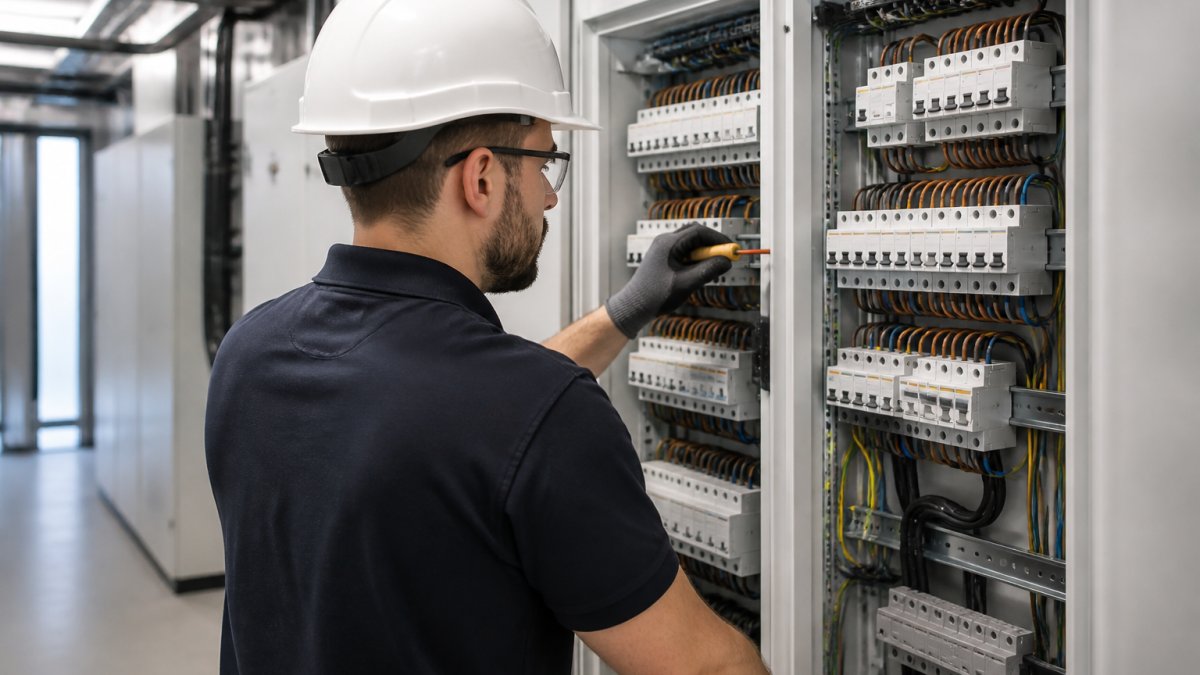
Commercial premises take longer than houses, often a full day or more. Offices, shops and workshops carry more circuits, more distribution boards and more equipment drawing power. A small retail unit might take four to six hours. A multi-floor office with server rooms and kitchen equipment can run to two days.
The key difference is downtime. Testing means switching circuits off, so commercial inspections need planning around trading hours. We schedule commercial work in phases to keep essential systems running.
Watch Out Booking a commercial EICR without agreeing a shutdown plan can cost you a trading day. Confirm which circuits go down and when before the electrician arrives.
What Affects EICR Inspection Time
Several factors stretch or shorten the visit. Knowing them helps you plan.
Property size and circuit count: more circuits, more testing
Age and condition of wiring: old or altered wiring needs tracing
Access to consumer units and sockets: furniture and stock slow things down
Number of distribution boards: each one adds testing time
Whether previous certificates exist: records speed up the process
Faults found during testing: issues need investigating before the report is signed off
The single biggest delay is missing paperwork. If you have old certificates, dig them out. If you do not, expect the inspector to spend longer working out what is actually installed.
How to Prepare for an EICR
Preparation cuts hours off the visit. A little work beforehand makes the inspection smoother and can reduce the bill.
Clear access to the consumer unit and meter
Move furniture away from sockets
Locate any previous EICRs or installation certificates
Note any known faults or recent electrical work
Arrange access to all rooms, including loft and garage
Confirm parking and entry arrangements with the electrician
Agree a power-down window if testing will interrupt supply
The Electrical Safety First guidance for homeowners recommends regular checks and keeping records, which supports a faster inspection. A prepared property is a quicker property.
From Inspection to Report: How Long Until You Get Results?
The written report usually lands within one to five working days. The inspection itself is only half the job. After leaving, the electrician reviews readings, codes any observations and writes up the findings.
Urgent issues get flagged immediately, often on the day. The formal document follows once the paperwork is complete. If faults need fixing, some providers can quote and carry out remedial work, but not all do. Ask before you book so you are not left chasing a second tradesperson.
Key Takeaway The inspection is quick, the report takes a few days, and remedial work is the wildcard. Budget time for all three, not just the visit.
Conclusion
The real challenge with an EICR is not the inspection itself, it is finding an electrician who turns up, explains the findings and handles any remedial work without leaving you stranded. Bright Sparx Electrical is Part P registered, 18th edition compliant, and all our work is certified and insured. Our in-house team handles the inspection, the report and any fixes, so you are not passed between contractors. Contact us to book your EICR and get a clear, honest timescale before we start.
Frequently Asked Questions
How long does an EICR takes for a house?
For a typical three-bedroom house, an EICR usually takes between two and four hours on site. The electrician needs to inspect the consumer unit, test circuits, and check sockets, switches, and earthing. Older properties with outdated wiring or a high number of circuits can take longer. The report is then compiled and typically delivered within a few working days.
Can an EICR be completed in one day?
Yes, most domestic EICRs are completed in a single visit. A standard house or flat can be inspected and tested within one working day. Larger commercial properties or buildings with complex electrical systems may need more than one day, depending on the number of circuits and access arrangements. Your electrician should confirm expected timescales before booking.
What happens if an EICR finds a fault?
The EICR report will categorise any issues found. C1 and C2 observations indicate potential danger and require urgent remedial work. C3 observations are improvements recommended but not immediately dangerous. If faults are found, a reputable electrician will explain the findings and can quote for repairs. Some issues can be fixed during the same visit, while others may need a follow-up appointment.
Do I need to be at home during an EICR?
You do not need to stay for the entire inspection, but someone aged 18 or over should provide access and confirm the electrician's identity. The electrician will need access to the consumer unit, all rooms, and any outbuildings or garages with electrical installations. If you cannot be present, arrange for a keyholder to let the electrician in and secure the property afterwards.
CONTACT US
Comments